


For decades, PVC fenders have been the default choice for yacht protection — tough, inexpensive, and easy to replace. But as yachts have evolved with advanced paint systems and lighter composite hulls, the limitations of PVC have become clear. What was once standard is now a potential risk to your finish — and your environmental footprint.
The Science: What Happens to PVC Over Time
PVC (polyvinyl chloride) fenders — including both solid PVC models and inflatable PVC or PU-coated fenders — rely on plasticizers to stay flexible.
Over time, exposure to UV light, saltwater, and heat causes a chemical breakdown called depolymerization.
As this process unfolds:
· The surface becomes sticky, chalky, or brittle.
· Plasticizers leach out, leaving an oily film.
· These residues transfer to paint or gelcoat, dulling or staining the hull.
Even inflatable PVC or PU fenders can sweat plasticizers through their coatings, especially when exposed to heat or stored against a painted surface. Once these compounds migrate into a yacht’s polyurethane or acrylic topcoat, the affected area can soften or lose gloss permanently.
Real-World Consequences on Yachts
1. Hull Staining and Paint Dulling
Yellow or greasy patches on contact points often reveal plasticizer migration. These marks are difficult to remove without polishing through the paint surface.
2. Hardening and Cracking
As fenders lose flexibility, they transmit more impact load directly to cleats and hull sides.
3. Environmental Concerns
Degrading PVC releases chlorinated microplastics and residues into the water — increasingly unacceptable in modern marinas and refit yards.
Why Textile Fenders Are the Modern Solution
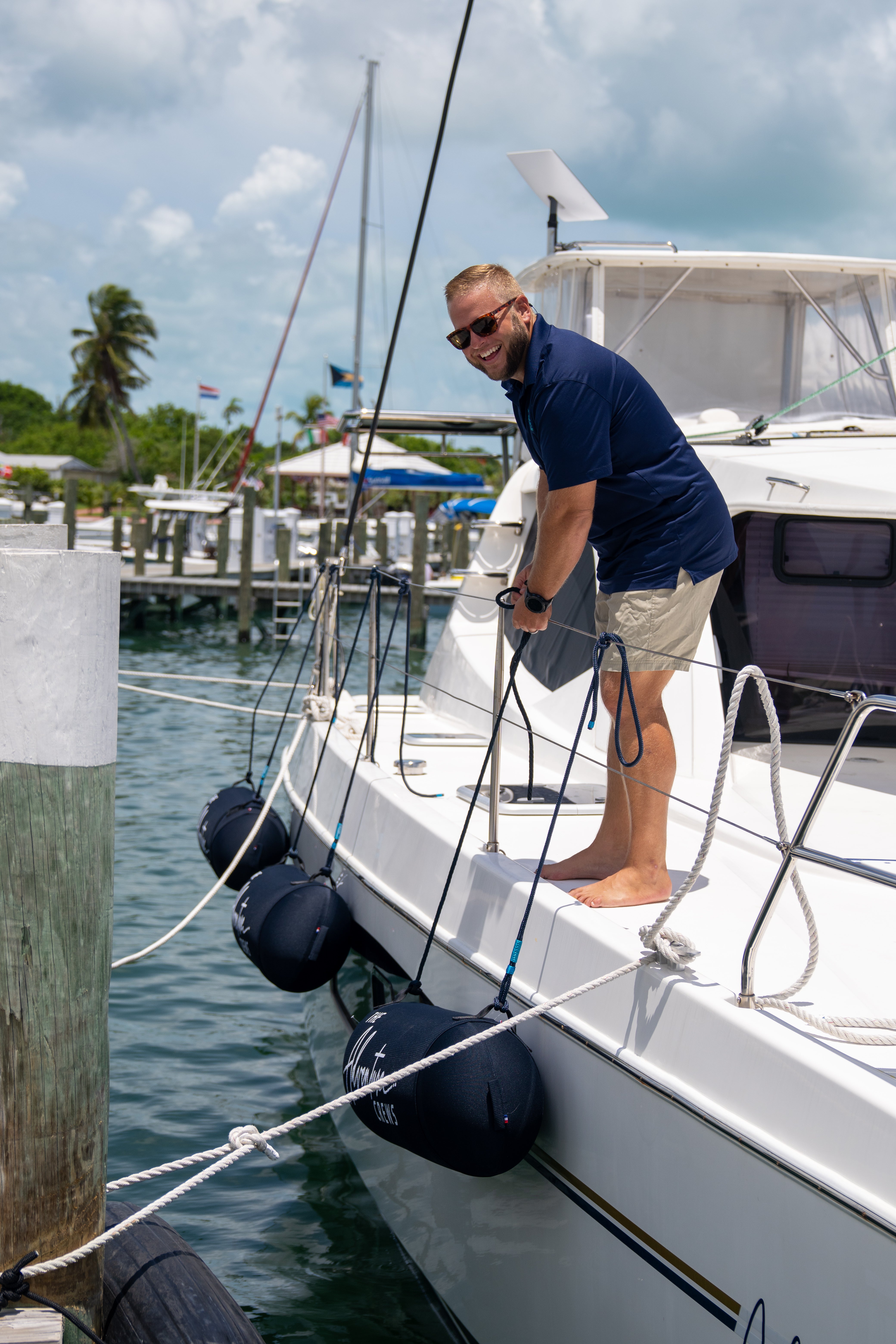
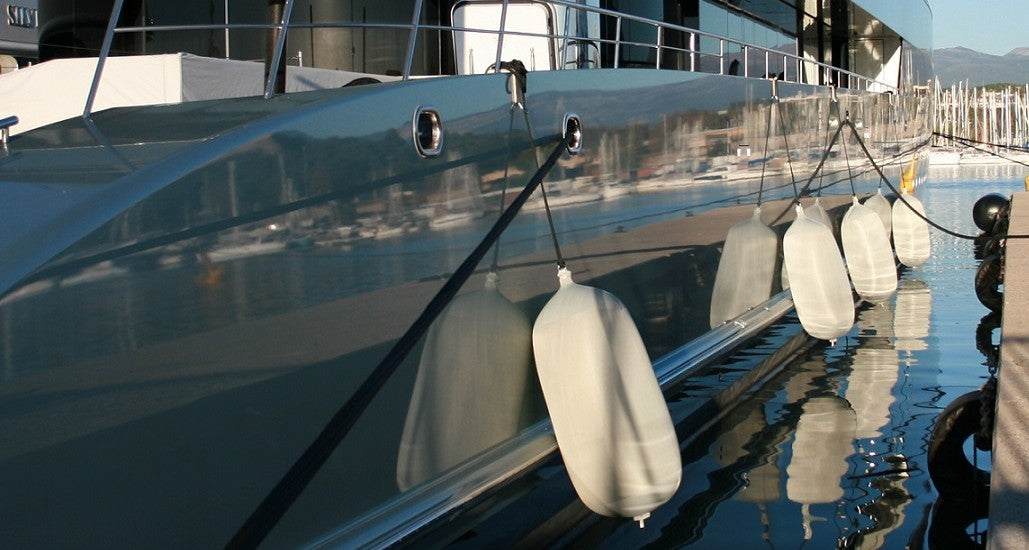
Fendertex® fenders are engineered from marine-grade knitted polyester surrounding a TPU bladder — completely free of PVC, Hypalon, or plasticizers. This design resists UV, salt, and temperature change without chemical leaching. The soft textile surface protects even the most delicate paint finishes.
Key advantages:
· Non-marking and non-staining
· UV- and salt-resistant
· Up to 95% lighter than traditional inflatables
· Deflates for compact storage
· Maintains flexibility and appearance for years
Sustainable by Design
Textile fenders not only perform better — they’re also more environmentally responsible.
With no chlorinated plastics or solvent-based coatings, Fendertex® products avoid the degradation issues common to PVC and PU fenders, while reducing microplastic pollution.
The Takeaway
PVC and polyurethane inflatable fenders may look clean when new — but as they age, they can leach chemicals that stain paint and degrade hull finishes.
Fendertex® textile fenders eliminate that risk entirely, offering strong, lightweight, and non-marking protection for every yacht.
Share:
Textile vs. PVC Fenders – What’s the Real Difference?